

Renegotiating After You’ve Signed: The Email That Ended a Property Sale
After their bond was withdrawn, the buyers were given time to arrange new finance. Instead, one of them emailed the conveyancer saying they would only apply for another bond after the seller repaired an alleged defect or agreed to reduce the price. The seller understood this to mean that the buyers would not proceed on the terms they had already accepted. She cancelled the sale, and the High Court agreed that she was entitled to do so. The buyers lost the sale and the money already paid and faced further financial consequences.
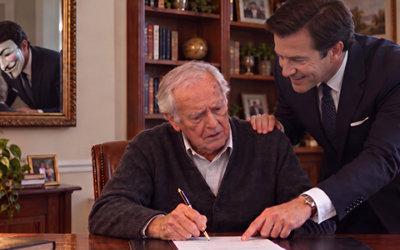
Was it Even His Signature? How to Overturn a Fraudulent Will
It’s unfortunately all too common a tale. Out of the blue, an older person, rendered vulnerable by age or illness, acquires a new “friend”. Before anyone in the family realises what’s going on, their loved one has died, and the fraudster claims to be sole heir in terms of a last-minute will. No surprise then that our courts must often determine whether a deceased person’s last will was tainted by incapacity, undue influence, fraud, or even forgery. The sad tale of a 90-year-old man who left behind two conflicting wills is a good example of how our courts approach these situations.
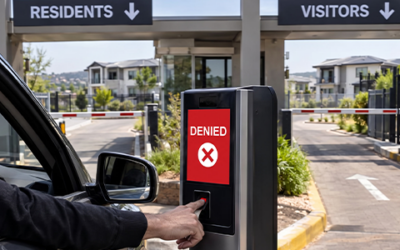
Can Your Complex Cut Off Your Biometric Access Over Unpaid Levies?
Your fingerprint suddenly stops working at the estate gate. You can still get home, but only through the visitors’ lane. Can your homeowners’ association cut off your biometric access because it says you owe levies? A recent High Court judgment says an association cannot use biometric access to enforce an alleged default. The case also confirms that biometric access to your home can be protected as part of your possession of the property.

Everyone Makes Them: Here’s How to Recover from a Bad Business Decision
Every business leader, from the corner office to the corner store, has a story they wish they could rewrite. A product launched too early, a hire made too hastily, a pivot that led off a cliff. Despite this, bad business decisions are not a sign of a bad leader, they are simply a sign that a leader is human. The real measure of a leader is not whether they stumble, but how they recover. Here is what the evidence says you should do when you make a mistake.

Better Late Than Never: Marriage Law Drags Itself into the 21st Century
For decades, South African law used the husband’s legal home at the time of marriage to decide which country’s law governed a couple’s financial and property rights when they had ties to more than one country. A recent Western Cape High Court judgment declared that rule unconstitutional and introduced a gender-neutral framework for deciding which country’s law applies. Courts elsewhere in the country are not bound by the judgment but are likely to follow it.

When Risk No Longer Feels Risky
After years of market turbulence followed by surprisingly resilient recoveries, many investors are asking an unexpected question: “Am I being too cautious?”
Let’s look at how recent experience shapes our perception of risk, why discipline still matters, and the role thoughtful financial advice plays in keeping emotions from driving investment decisions.

Why Are More People Building ‘Career Insurance’?
For a long time, a second income was a nice-to-have: a “side hustle” that brought in some extra spending money, or was a way to express your interests and creativity outside of work. But it is increasingly becoming something entirely different: ‘career insurance’.
In this article we look at a profound shift in how people think about a second income, and why it is becoming more critical.

Cancelled Sale, Damaged Property. Who Pays?
When a sale falls through, most people assume restitution means simply giving back the money and the property. A recent High Court decision shows it is rarely that straightforward, particularly if the property itself has changed in the interim. The ruling explains how restoration costs should be worked out, and why the condition of the property when occupation begins can matter years later.

Can Family Conflict Kibosh a Trust?
When a trust’s founder dies, families often assume that whatever they said they wanted will be honoured, even if the trust deed was never changed to reflect it. A recent Supreme Court of Appeal decision confirms that this is not how trusts work. What governs a trust after the founder’s death is the trust deed itself, not the wishes they expressed at family meetings in their final years.

What Does Financial Planning Look Like if You Don’t Have Kids?
For generations, financial planning followed a familiar script: build a career, buy a home, raise a family and, eventually, pass wealth on to the next generation. While that path still resonates with many, modern lives are far more diverse. The reasons for not having kids may differ, but the financial question is often the same: if your wealth is not destined for children, how can it best enrich your life, reflect your values and leave a meaningful legacy long after you are gone?

Your Dormant Trust Is Not Invisible to SARS
Trusts remain a valuable estate planning and asset protection tool, but they also carry ongoing compliance obligations. Many trustees assume that a dormant trust with no income, assets, or activity can simply be left alone. SARS has made it clear that inactivity does not remove a trust’s compliance obligations. With penalties now being imposed for outstanding trust returns, dormant trusts may be attracting more attention than their trustees realise.

The Highest Return on Investment May Not Be Financial
We all know investing is about building wealth over time. By saving consistently and investing prudently, we aim to lay the groundwork for long-term financial wellbeing. But the most fulfilled people are not always those who have accumulated the greatest amount of wealth. More often, they are those who feel that their skills, resources and experiences have become part of something larger than themselves.